Metal-free / Inert Reactor Systems

Büchiglas metal-free / inert reactor systems are designed for reactions where it is essential to prevent contact between the process medium and metal, reducing the risk of corrosion, contamination, and unwanted reactions. The systems are available with reactor vessels made of glass or glass-lined steel.
ADVANTAGES
APPLICATIONS
TECHNICAL SPECIFICATIONS
AVAILABLE SYSTEMS
Advantages
- Volumes from 1 to 20 L
- Operating pressure from −1 to +6 bar
- Temperature range from −20 °C to +180 °C
- Completely metal-free / inert design
- High resistance to aggressive chemicals
- Reactor vessels made of borosilicate glass 3.3 or glass-lined steel
- Versions with ceramic, PFA, PEEK, and PTFE materials available
- Ceramic magnetic agitator drive with high torque
- Efficient mixing of media with different viscosities
- Excellent heat transfer
- Modular design allowing future modifications and upgrades
- Wide range of accessories for liquid, solid, and gas dosing
- ATEX versions available
Applications
- Biofuel research
- Biomass research
- Biopolymer research
- Biorefinery research
- Catalyst testing and evaluation
- Corrosion testing
- Crystallization
- Hydrogenation
- Nanoparticle synthesis
- Petrochemical research
- Polymerization
- Process development
- Zeolite synthesis
Technical Specifications
- Reactor volume: 1–20 L
- Pressure: −1 bar (full vacuum) to +6 bar
- Temperature: −20 °C to +180 °C
- Materials: borosilicate glass 3.3, glass-lined steel, ceramic, PFA, PEEK, and PTFE
Available Systems
- polyclave inert
- versoclave inert — available only with a glass-lined steel reactor vessel
- kiloclave inert — available only with a glass-lined steel reactor vessel
Product Related
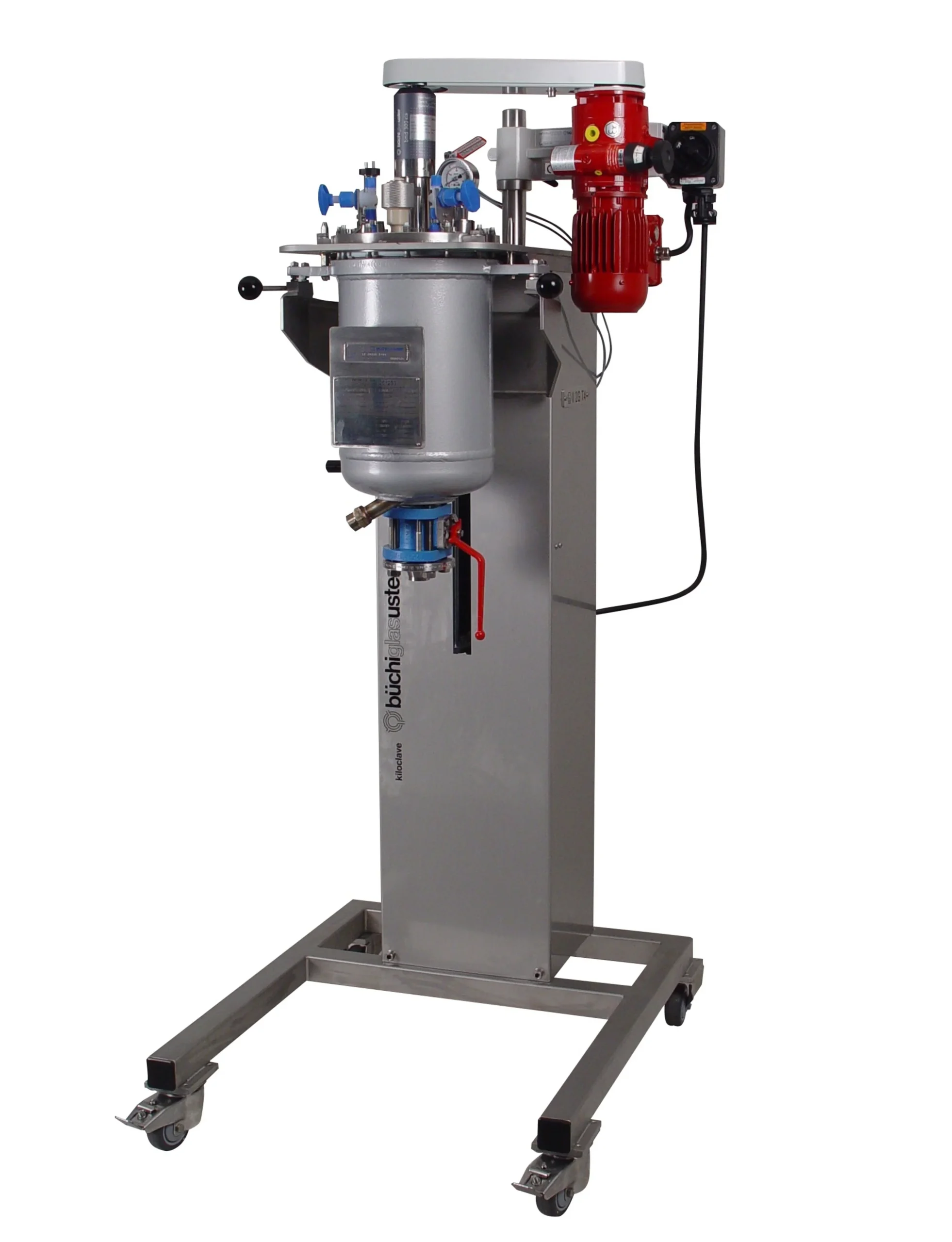
Metal-free / Inert Reactor Systems
Büchiglas metal-free / inert reactor systems are designed for reactions where it is essential to prevent contact between the process…
Details
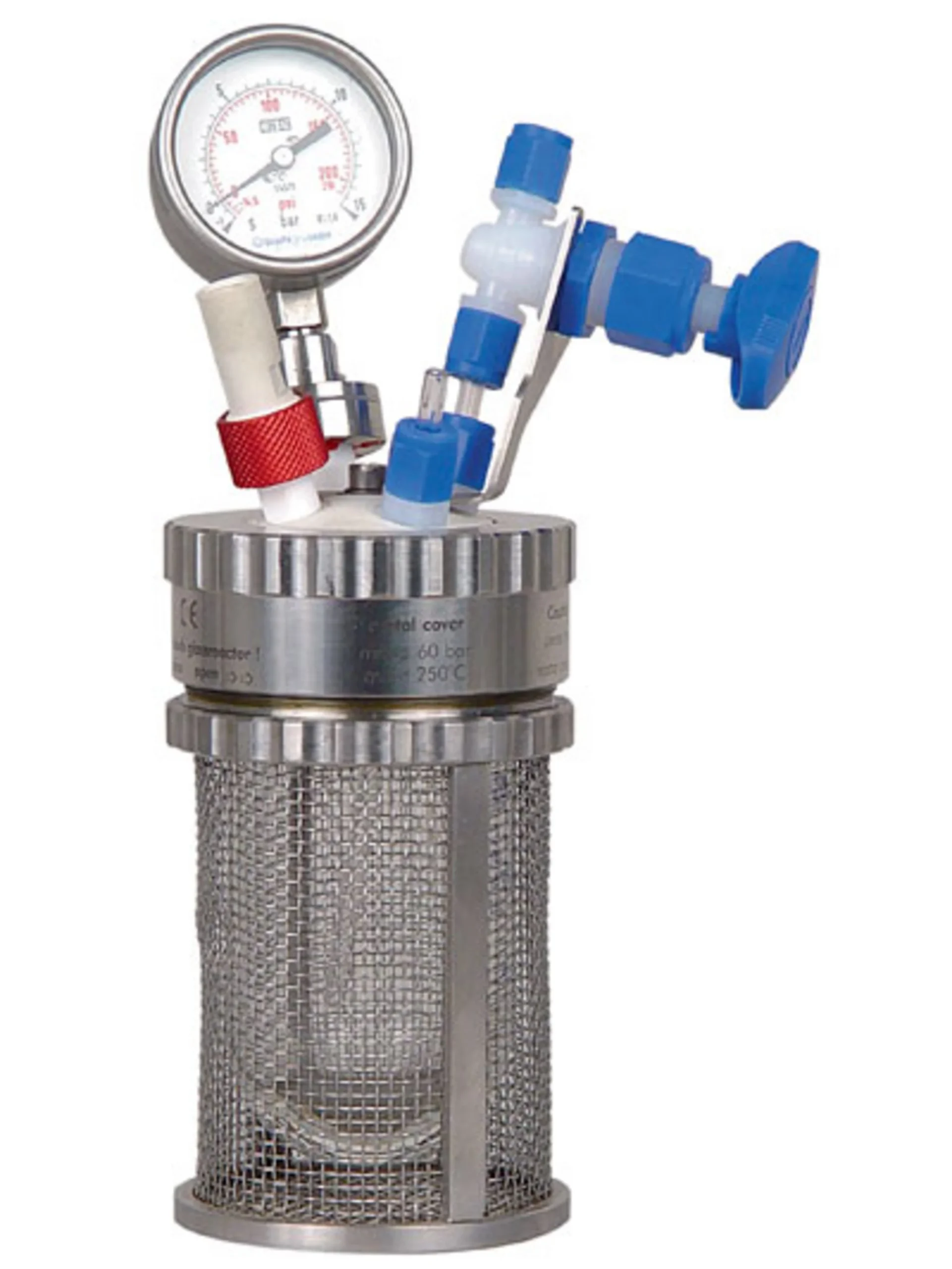
miniclave inert®
Büchiglas miniclave inert® — Metal-Free Laboratory Pressure Reactor Büchiglas miniclave inert® is a laboratory pressure reactor system designed for chemical…
Details